Testing
Batch testing explained

A product page tells you what a compound is supposed to be. A batch, or lot, is the actual physical run of material that ended up in the specific vial in front of you, and it is the batch, not the product line, that gets tested. Two vials of the same product can come from different lots, synthesized at different times, and while EVLV's standards require every lot to clear the same bar, only lot-specific testing can confirm that a given vial actually did.
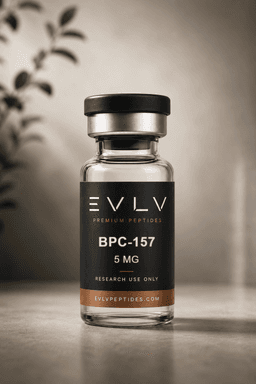
Every batch is assigned a lot code at the point it clears synthesis. That code follows the batch through testing, packaging, and shipping, and it is printed on the vial label. It is also the input to EVLV's batch verification tool: enter the code and the result returned is the actual HPLC and mass-spec data for that lot, not a generic spec sheet for the product.
Testing itself happens in two passes, run by an independent third-party laboratory rather than in-house. HPLC quantifies purity, as covered separately. Mass spectrometry confirms molecular identity, verifying that the compound present actually matches the expected mass of the target peptide rather than a structurally similar byproduct. A lot only clears as PASS once both results are in and both meet the threshold.
The certificate of analysis produced from that testing is a public document. It lists the lot code, the compound, the purity result, the test date, and the pass/fail outcome, and it is published the moment it clears, not withheld or issued only on request. That is a deliberate choice: documentation that exists but isn't searchable functions the same as documentation that doesn't exist.
For a researcher, the practical takeaway is to treat the lot code as the unit that matters, not the product name. When you look up a batch, you're not confirming that 'BPC-157 is supposed to be pure.' You're confirming that the specific vial you have in hand, identified by its lot code, was independently tested and passed.