Regulatory
Are Research Peptides Legal in the US? The 2026 Answer

Research peptides sold for laboratory and research use are legal to purchase and possess in the US when supplied and used strictly as research use only (RUO) chemicals — not intended for human or veterinary consumption, injection, or ingestion, and not evaluated by the FDA for any medical indication. That framing is the entire basis on which a research-chemical supplier can legally operate.
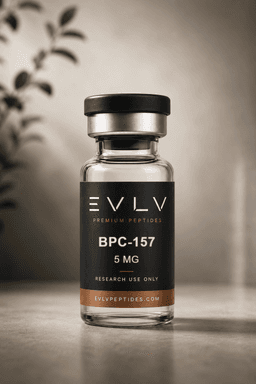
The key regulatory distinction is between a research chemical supplier and a compounding pharmacy. Facilities compounding drugs for human administration operate under 503A or 503B of the Federal Food, Drug, and Cosmetic Act, with a distinct set of licensing, sterility, and dispensing requirements tied to human use. A supplier of RUO research compounds is explicitly not operating under that framework — EVLV is a chemical supplier, not a compounding pharmacy or outsourcing facility as defined under 503A or 503B.
That distinction is what makes the RUO label load-bearing rather than a formality. It's the legal basis for the entire product category: compounds sold for laboratory research, identification, and in vitro study, with no claim of safety or efficacy for any human or animal application, and no dosing information provided for that purpose.
State-level rules can add additional wrinkles on top of the federal framework, and they vary — some states have moved on specific compounds independently of federal action. This is a summary of the general federal framework, not legal advice, and a researcher or institution with a specific compliance question should consult counsel familiar with their state's rules.
The practical upshot for 2026: yes, research peptides are legal to source in the US as RUO laboratory chemicals, provided both the supplier and the buyer treat that designation as real — proper documentation, no human-use marketing, and no dosing claims — rather than as a label of convenience.